25 September 2026
As families grow and lifestyle needs shift, many UK homeowners reach a tipping point where their current layout simply no longer fits daily life. This leads to one of the biggest financial decisions property owners face: whether to sell up and move to a new property or stay put and extend their existing home. With rising interest rates, high moving costs and hefty tax payments, extending has become an increasingly popular strategy for gaining space without uprooting your lifestyle.
The Hidden Costs of Moving House
Moving to a larger property seems like a direct solution, but the unrecoverable transaction costs often eat into your budget before you even unpack a single box. When you sell and buy a new property, you incur significant “dead money” expenses that add zero financial value to your new home.
First, Stamp Duty Land Tax represents a massive upfront cost that goes directly to government funds. When combined with estate agent fees, typically ranging from one to two percent of your current home’s final sale price plus VAT, a substantial portion of your existing equity vanishes instantly. On top of these, you must account for legal fees, conveyancing costs, structural surveys, mortgage arrangement charges and physical removal expenses. For many homeowners, these non-refundable moving costs easily total between £15,000 and £30,000 before factoring in the cost of the new property itself.
The Financial & Lifestyle ROI of Extending
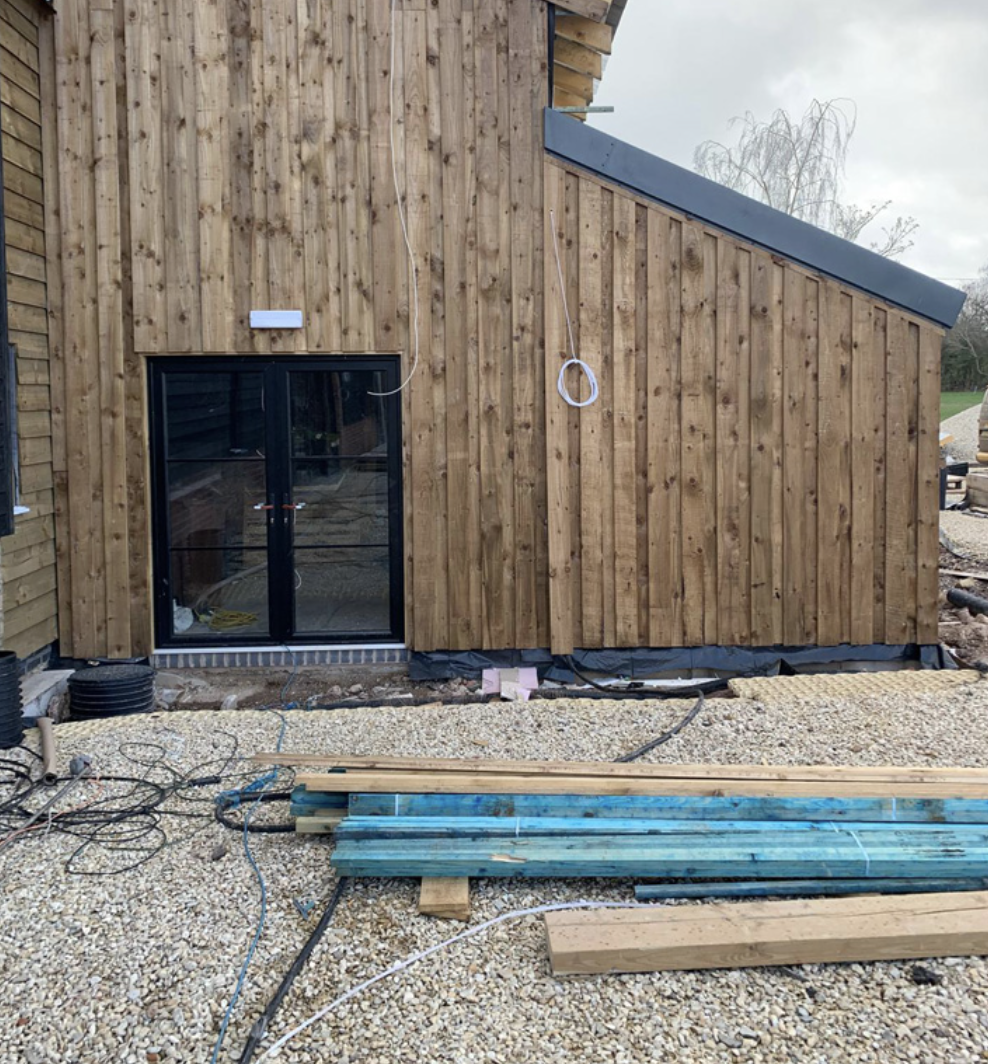
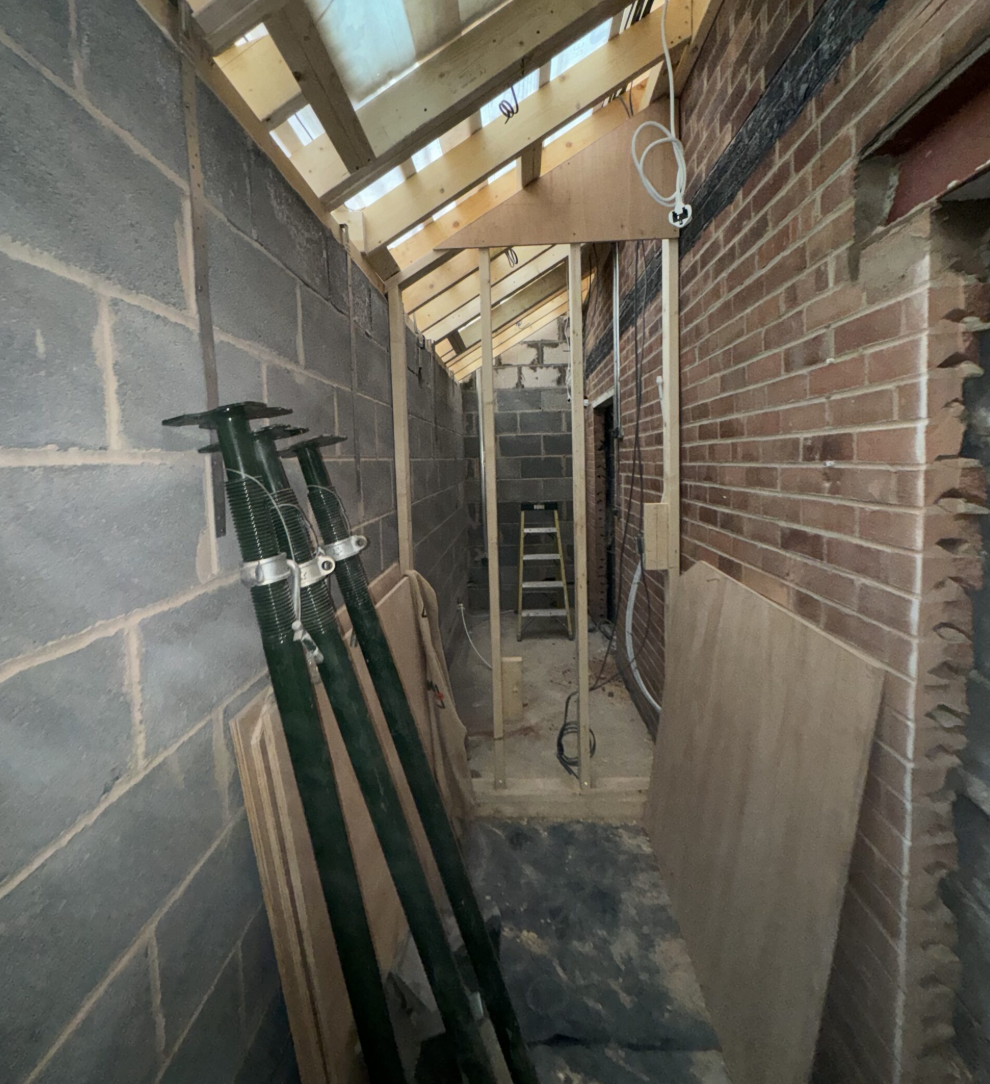
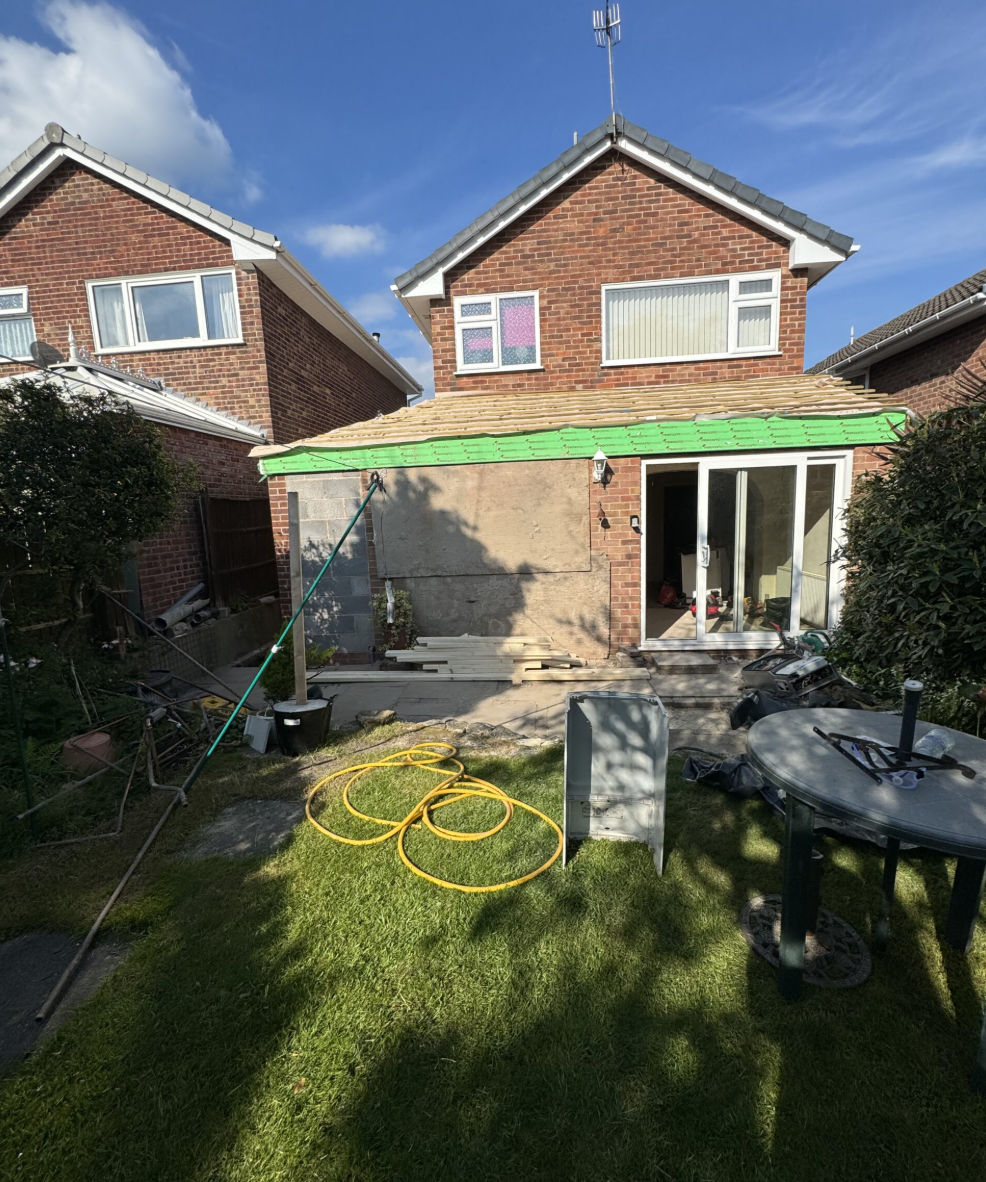
When you invest money into a home extension, every pound spent goes directly back into your property’s overall equity rather than disappearing into administrative transaction fees. A well-designed single-storey rear extension or open-plan kitchen diner can boost a home’s market value by ten to fifteen percent, while double-storey builds can increase valuation by up to twenty percent.
Beyond the financial returns, extending allows for complete bespoke customisation. Instead of settling for another property’s existing floor plan, extending enables you to tailor the layout specifically to your family’s needs, whether that means integrating architectural skylights, bi-fold doors, or a dedicated utility room. Crucially, extending protects your lifestyle stability by allowing you to stay in the area you love, keep your children in their current schools and retain your existing community ties.
Key Considerations Before Making Your Decision
Before committing to a building project, it is essential to evaluate several strategic factors. First, you must research local property ceiling prices to ensure your proposed extension budget will not price your house above the maximum value for your specific street.
It is also worth exploring Permitted Development rights. Many single-storey rear and side extensions fall under these allowances, allowing homeowners to bypass full planning permission and begin construction significantly faster. Finally, consider the balance between indoor and outdoor space. Retaining a healthy garden-to-house ratio is critical, as sacrificing your entire outdoor space for additional indoor square footage can negatively impact overall resale appeal.
If you love your current location and want to maximise long-term equity while avoiding wasted transaction fees, extending your home is almost always the smarter, more cost-effective investment.
Deciding whether to extend or move ultimately comes down to balancing your long-term financial goals against your daily lifestyle needs. By choosing to extend, you eliminate tens of thousands of pounds in non-refundable transaction costs, stay rooted in the area you love and invest every pound directly back into your property’s equity. With careful spatial planning and an experienced single-source contractor, an extension turns your current address into the spacious, modern home your family needs for years to come.
Ready to unlock your property’s full potential? Contact the expert team at DCG Building Services today to discuss your home extension ideas, explore your layout options and request a free, fixed-price estimate.
Frequently Asked Questions
How much value does a home extension add in the UK?
On average, a single-storey rear extension adds between 10% and 15% to a property’s market value. A double-storey extension or comprehensive structural layout reconfiguration can add 20% or more, depending on your local property market and the quality of the overall finish.
Is it cheaper to extend your house or move?
In most cases, extending is significantly more cost-effective than moving. The non-refundable costs associated with buying and selling, including Stamp Duty, legal fees, estate agent commissions and removal services, can easily exceed £20,000. Investing that money into an extension increases your property equity rather than wasting it on administrative fees.
Do I always need planning permission for an extension?
No, full planning permission is not always required. Many single-storey rear and side extensions can be constructed under Permitted Development rights, provided they adhere to specific height, depth and boundary restrictions. However, all extensions must comply strictly with UK Building Regulations.
How long does a home extension take to build?
A standard single-storey home extension typically requires between eight and fourteen weeks of active on-site construction. This timeline excludes the initial pre-construction phase, which includes architectural design work, structural engineering calculations and building control approvals.
Will an extension put my property over the local ceiling price?
An extension can push a home past its ceiling price if the total build cost exceeds the maximum market value for properties on your street. To protect your investment, consult a local builder or estate agent beforehand to analyse the sale prices of comparable renovated homes in your immediate area.